Deer Population in New Jersey
White-tailed deer populations remain high throughout much of New Jersey, particularly in suburban and wooded regions where development and habitat overlap. Explore statewide deer population trends, regional deer pressure, and factors affecting deer populations across the Garden State.
Why Deer Populations Are High in NJ
New Jersey provides ideal habitat conditions for white-tailed deer. Suburban development patterns, fragmented forests, ornamental landscaping, reduced predator populations, and abundant food sources all contribute to growing deer populations across many parts of the state.
In many NJ communities, deer thrive along wooded residential corridors, parks, preserved land, golf courses, utility easements, and agricultural edges.
- Mild winters
- Abundant food sources
- Suburban landscaping
- Reduced natural predators
- Forest fragmentation
- Restricted hunting access in developed areas
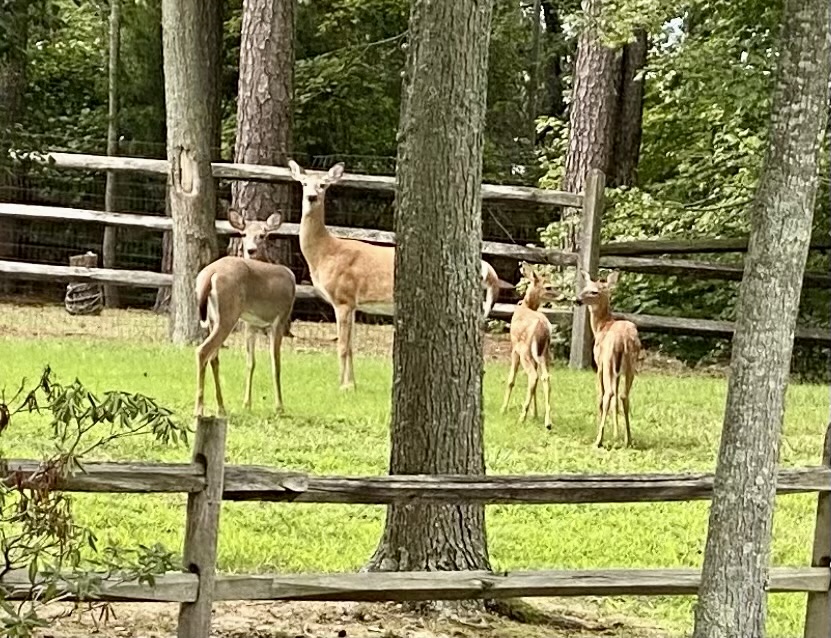
Estimated Deer Pressure Across New Jersey
Deer populations and browsing pressure vary across New Jersey based on forest coverage, suburban development, food availability, and habitat conditions.
|
County |
Deer Pressure |
Landscape Browsing |
Tick Concern |
|---|---|---|---|
|
Monmouth |
High |
High |
High |
|
Ocean |
High |
High |
High |
|
Burlington |
High |
Moderate-High |
High |
|
Mercer |
Moderate-High |
High |
Moderate-High |
|
Sussex |
High |
Moderate |
Moderate |
|
Bergen |
Moderate |
Moderate |
High |
About New Jersey’s White-Tailed Deer
New Jersey is home to one of the densest white-tailed deer populations in the country. These highly adaptable animals thrive in forests, suburban neighborhoods, farmland, parks, and residential landscapes throughout the state.
Adult bucks in New Jersey can exceed 200 pounds, while does commonly weigh around 100 pounds. Deer consume several pounds of vegetation every day and can produce offspring throughout much of their lifetime, allowing populations to grow quickly in areas with abundant food and limited predators.
Understanding how deer live, feed, reproduce, and behave helps explain why deer damage is so common across New Jersey landscapes, gardens, farms, and wooded properties.
Learn More About New Jersey Deer
- How much deer eat
- Average size and lifespan
- Deer reproduction and fawn behavior
- Antler growth and rut season
- Why deer populations thrive in NJ
- Common deer behaviors and browsing habits
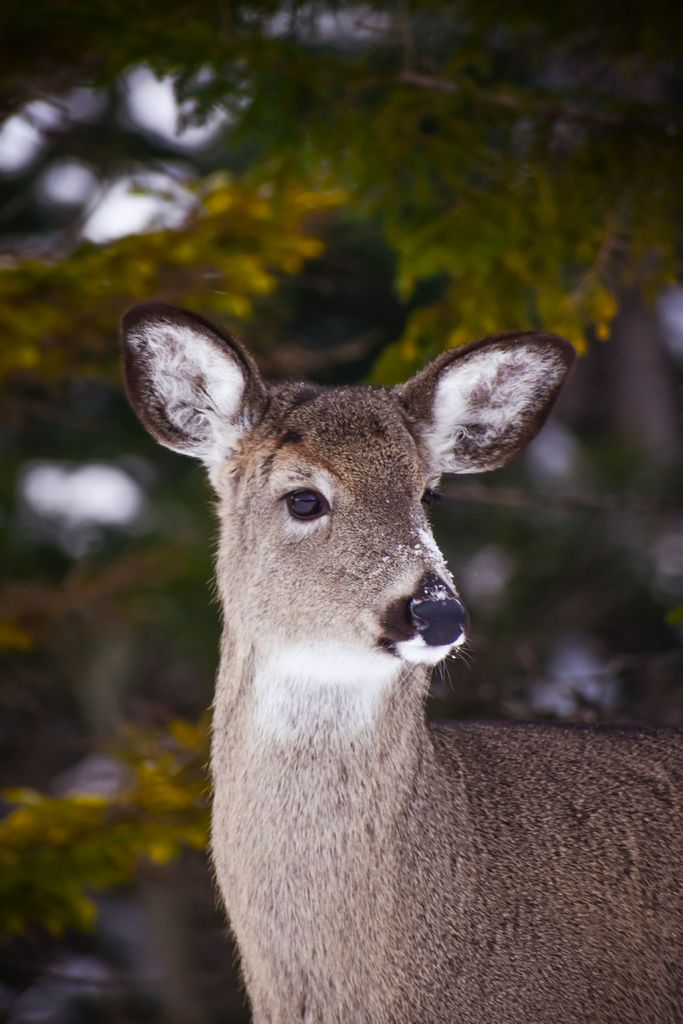
Common Deer Problems in New Jersey
As deer populations expand across suburban and residential areas, homeowners throughout New Jersey are experiencing increasing deer-related issues affecting landscaping, gardens, roadways, and public health.
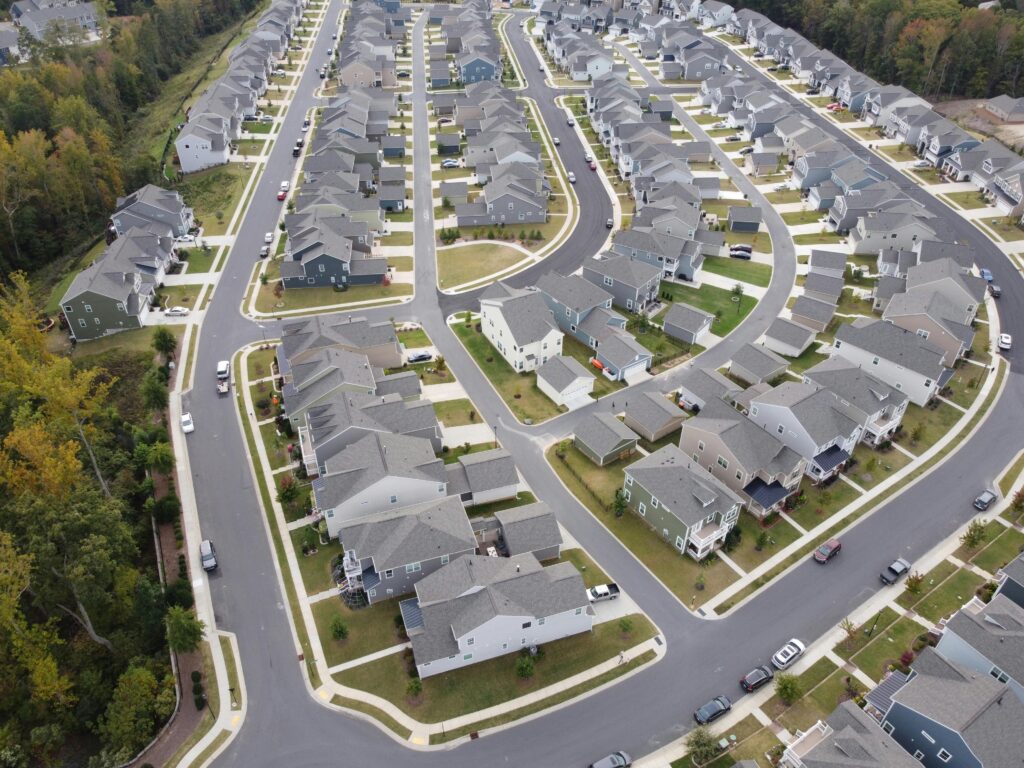
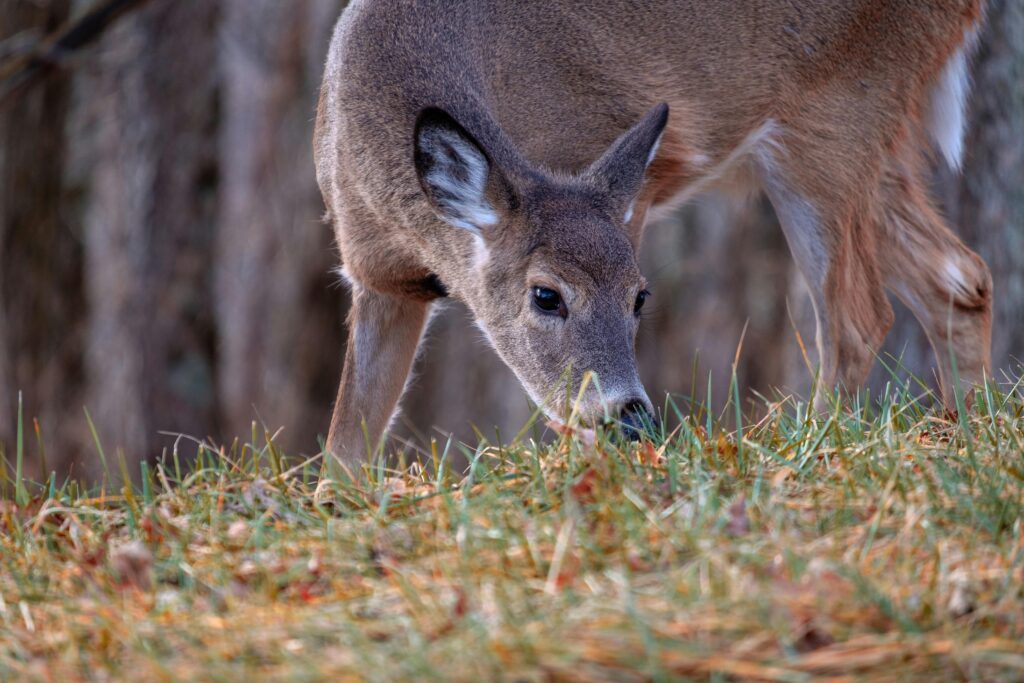
Suburban Development
Residential development creates ideal edge habitat and ornamental food sources for deer populations.
Food Availability
Landscaping, gardens, agricultural areas, and natural vegetation provide abundant food sources throughout NJ.
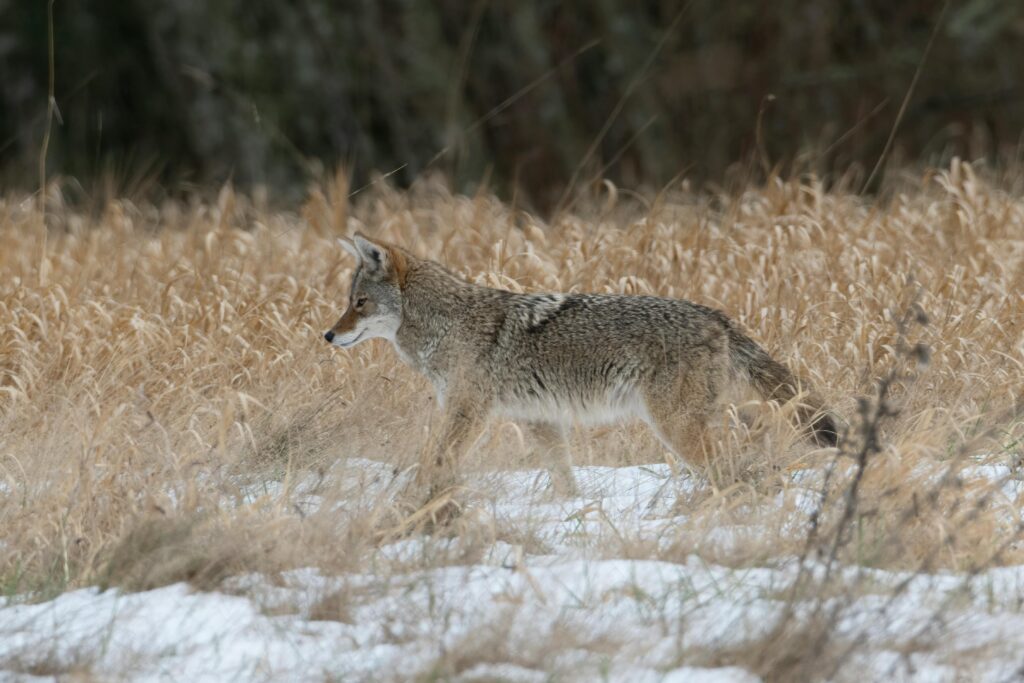
Reduced Predators
New Jersey has relatively few natural predators capable of significantly reducing deer populations.
Deer Management in New Jersey
Managing deer populations in New Jersey presents unique challenges due to the state’s dense suburban development, fragmented forests, and limited open hunting access in many residential areas.
New Jersey Fish & Wildlife manages deer populations through regulated hunting seasons, deer management zones, permit programs, and ongoing wildlife monitoring efforts designed to balance ecological health, agricultural concerns, public safety, and residential impacts.
In many suburban communities, deer populations can grow rapidly when food sources, landscaping, wooded habitat, and limited population controls overlap. This often leads to increased landscape damage, tick exposure concerns, and deer vehicle collisions throughout the state.
Homeowners frequently use a combination of deer-resistant landscaping, fencing systems, repellents, and property management strategies to help reduce deer activity around residential properties and gardens.
Common Deer Management Concerns
- Landscape browsing
- Tick exposure
- Deer vehicle collisions
- Garden protection
- Residential deer activity
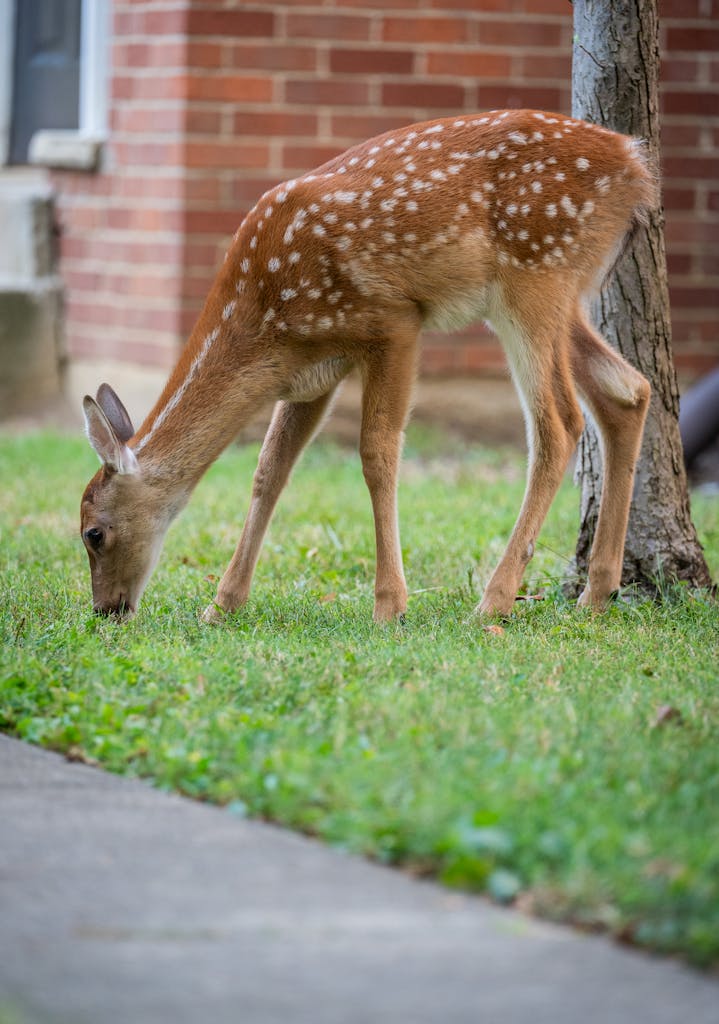
Many New Jersey communities experience year-round deer activity due to abundant food sources and fragmented suburban woodland habitat.
Related Deer Information
Explore additional information about deer damage, tick awareness, and deer-resistant landscaping strategies affecting homeowners and gardeners throughout New Jersey.
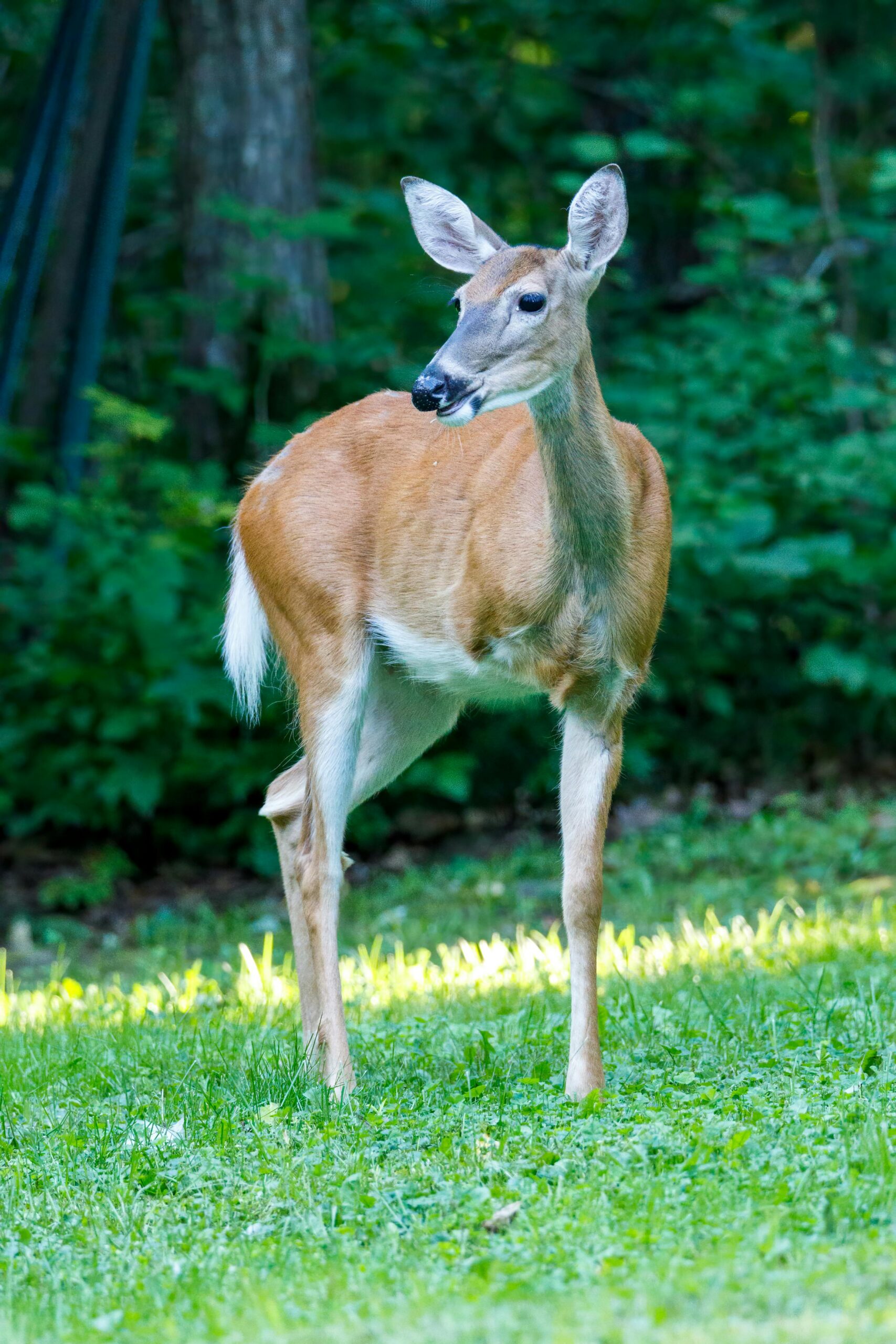
Deer Damage
Learn how deer damage landscaping, gardens, shrubs, trees, and ornamental plantings across New Jersey residential properties.
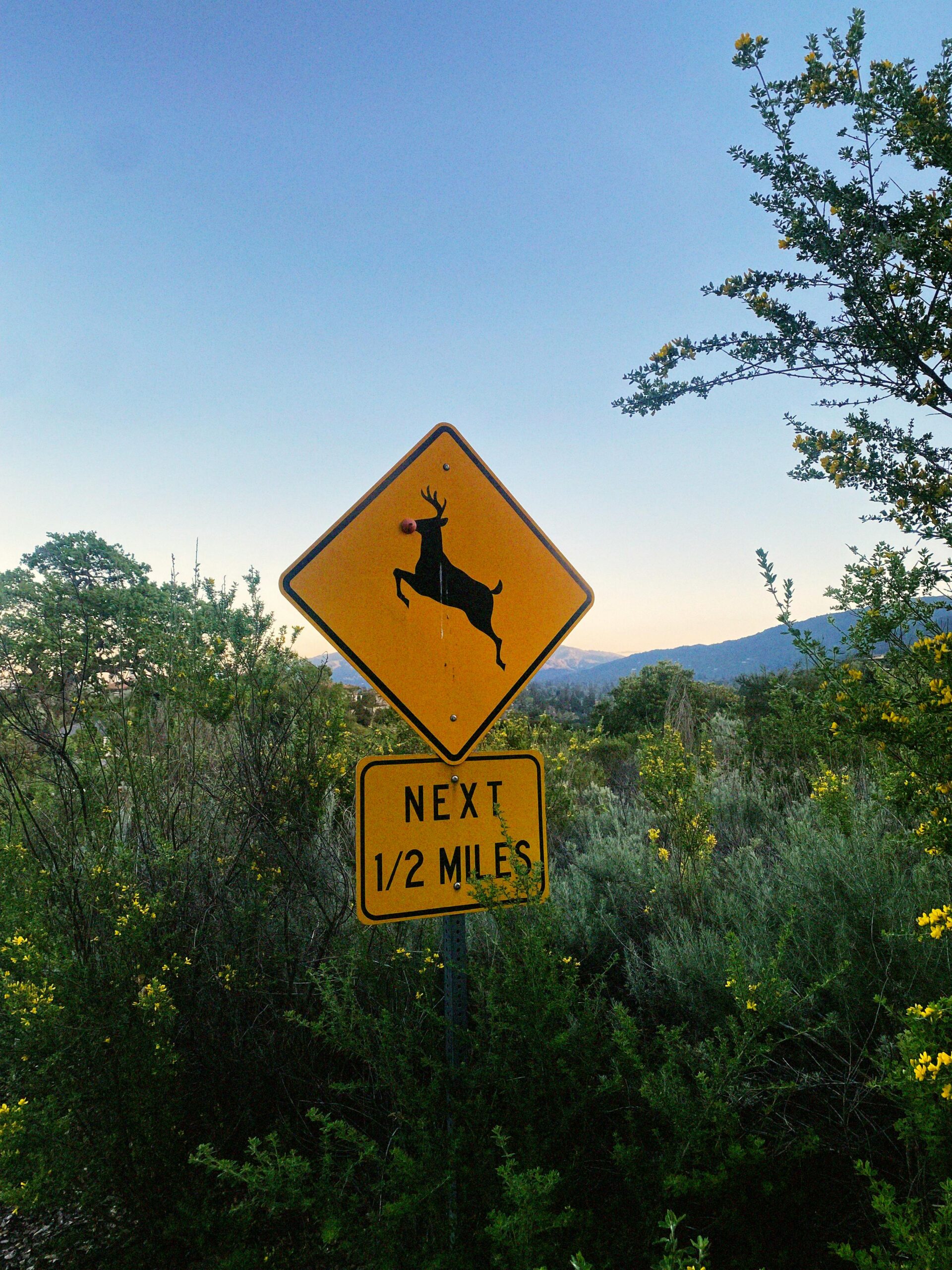
Deer Vehicle Collisions
Find guidance on what to do after hitting a deer, reporting collisions, and handling roadway safety concerns.
Dead Deer Removal
Understand how dead deer removal is typically handled by municipalities, county agencies, or property owners in New Jersey.
Frequently Asked Questions About Deer in New Jersey
Find answers to common questions about deer populations, deer behavior, landscape damage, and deer-related concerns affecting homeowners and communities across New Jersey.