Deer Resistant Plants for New Jersey Gardens

While no plant is completely deer-proof, some trees, shrubs, flowers, grasses, and perennials are generally less attractive to browsing deer. Explore practical deer-resistant landscaping ideas, NJ-friendly plant recommendations, and realistic strategies for reducing deer damage throughout New Jersey.

The Truth About Deer Resistant Plants

Very few plants are truly deer-resistant in every part of New Jersey. Deer feeding behavior varies significantly depending on local deer populations, food availability, seasonal conditions, and browsing pressure within a specific area.

A plant that may experience little browsing in one region of New Jersey could be heavily damaged in another area with higher deer pressure or fewer available food sources.

Harsh winters can also dramatically change deer feeding patterns. During difficult winters like the 2025–2026 season, natural food availability becomes limited, forcing deer to browse plants they might normally avoid in order to survive.

For this reason, deer-resistant landscaping should be viewed as a strategy for reducing browsing pressure rather than completely eliminating deer damage.

Learn More About New Jersey Deer

Hungry deer will often eat almost anything when natural food sources become scarce, especially during severe winters or periods of drought.

Charming scenic garden with manicured bushes and a winding pathway under a blue sky.

Common Deer Resistant Plant Categories

The following plant categories are commonly considered less attractive to deer in many New Jersey landscapes, although browsing can still occur under heavy deer pressure.

Deer Resistant Shrubs

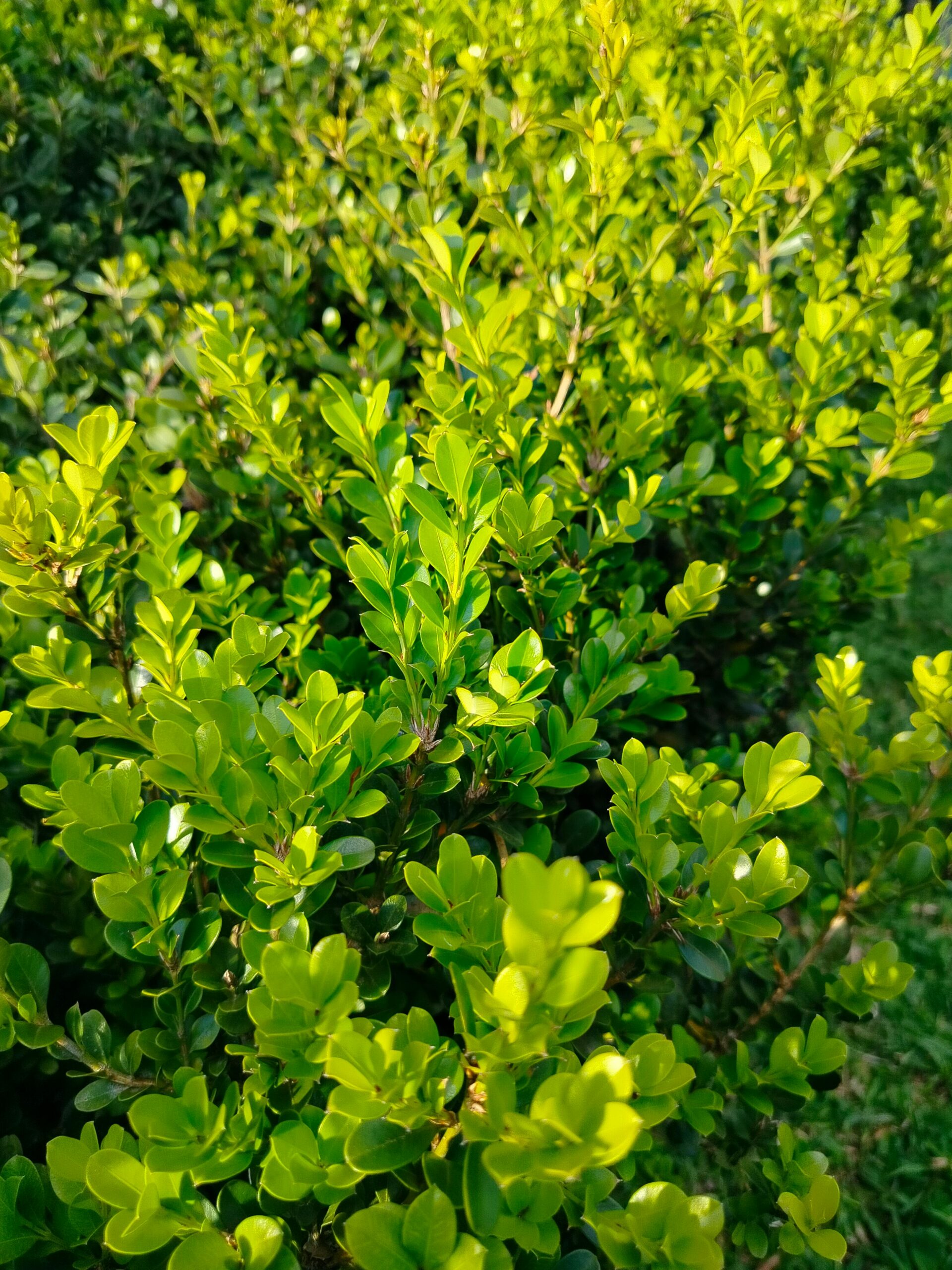
Popular shrubs include boxwood, inkberry holly, pieris japonica, spirea, and certain viburnum varieties.

Deer Resistant Perennials

Lavender, salvia, nepeta, yarrow, coneflower, lamb’s ear, and black-eyed Susan are frequently used in deer-prone gardens.

Ornamental grass growing outside a modern building with blue windows, showcasing urban landscaping.

Ornamental Grasses

Many ornamental grasses are among the most reliable deer-resistant landscape choices for NJ properties.

From above of green celery sprouts with small leaves growing in boxes on metal lattice in daylight

Herbs & Fragrant Plants

Strongly scented herbs such as rosemary, thyme, sage, and lavender are often less attractive to browsing deer.

Common Deer Resistant Plants in New Jersey

The following plants are frequently considered more resistant to deer browsing in many parts of New Jersey, although local conditions and deer pressure may affect results.

Plant

Type

Sun Needs

Deer Resistance

Lavender

Perennial

Full Sun

High

Salvia

Perennial

Full Sun

High

Nepeta (Catmint)

Perennial

Full Sun

High

Lamb’s Ear

Perennial

Full Sun

High

Inkberry Holly

Shurb

Sun / Part Shade

Moderate

Boxwood

Shurb

Sun / Part Shade

Moderate

Ornamental Grasses

Grass

Full Sun

High

Yarrow

Perennial

Full Sun

Moderate-High

Rosemary

Herb

Full Sun

Moderate-High

Pieris Jopanica

Shurb

Part Shade

Moderate

Landscaping Strategies for Deer-Prone Areas

Homeowners in high deer pressure areas often combine deer-resistant plant selections with additional landscape protection strategies to help reduce browsing damage.

Using a layered approach typically produces better long-term results than relying on plant selection alone.

  • Use deer-resistant foundation plantings
  • Protect young trees and shrubs
  • Group vulnerable plants together
  • Incorporate ornamental grasses
  • Avoid highly attractive species near wooded edges
  • Consider fencing for vulnerable garden areas
  • Use repellents where appropriate
Vibrant flower garden with wooden fence and metal pots in Tūghyl, Kazakhstan.

Explore Deer Information

Explore New Jersey deer population trends, deer-resistant landscaping, tick awareness, and practical information for homeowners and gardeners.

🦌

Deer Population

Explore deer population trends, regional deer pressure, and county-based information across New Jersey.

🕷

Ticks & Lyme

Learn how deer contribute to tick populations, Lyme disease risks, and practical ways to reduce exposure around your property.

🏡

Deer Damage

Understand the most common types of deer damage affecting NJ gardens, landscapes, trees, and ornamental plantings.

Frequently Asked Questions About Deer in New Jersey

Find answers to common questions about deer populations, deer behavior, landscape damage, and deer-related concerns affecting homeowners and communities across New Jersey.

No plant is completely deer-proof. Deer feeding behavior changes based on food availability, local deer pressure, weather conditions, and seasonal stress.

During periods of heavy deer pressure or limited food availability, deer may browse plants they would normally avoid.

Yes. Severe winters often reduce natural food sources and can significantly increase browsing on ornamental landscaping and garden plants.

Many ornamental grasses are considered among the more reliable deer-resistant choices for New Jersey landscapes. However, avoid Lily-turf. Deer do eat that in South Jersey.

No plant is completely deer-proof. However, many plants are less attractive to browsing deer and may experience significantly less damage when used as part of a deer-resistant landscape strategy.

Yes. White-tailed deer play an important role in supporting tick populations throughout New Jersey, including blacklegged ticks associated with Lyme disease and other tick-borne illnesses.