
Protecting Your Landscape From Deer
Deer damage can be frustrating, expensive, and surprisingly difficult to prevent. Flowers may disappear overnight, shrubs can be repeatedly browsed, and young trees may be permanently damaged by rubbing bucks.
The most effective approach depends on your plants, property, neighborhood, and level of deer pressure. This guide introduces the practical options available to New Jersey homeowners.
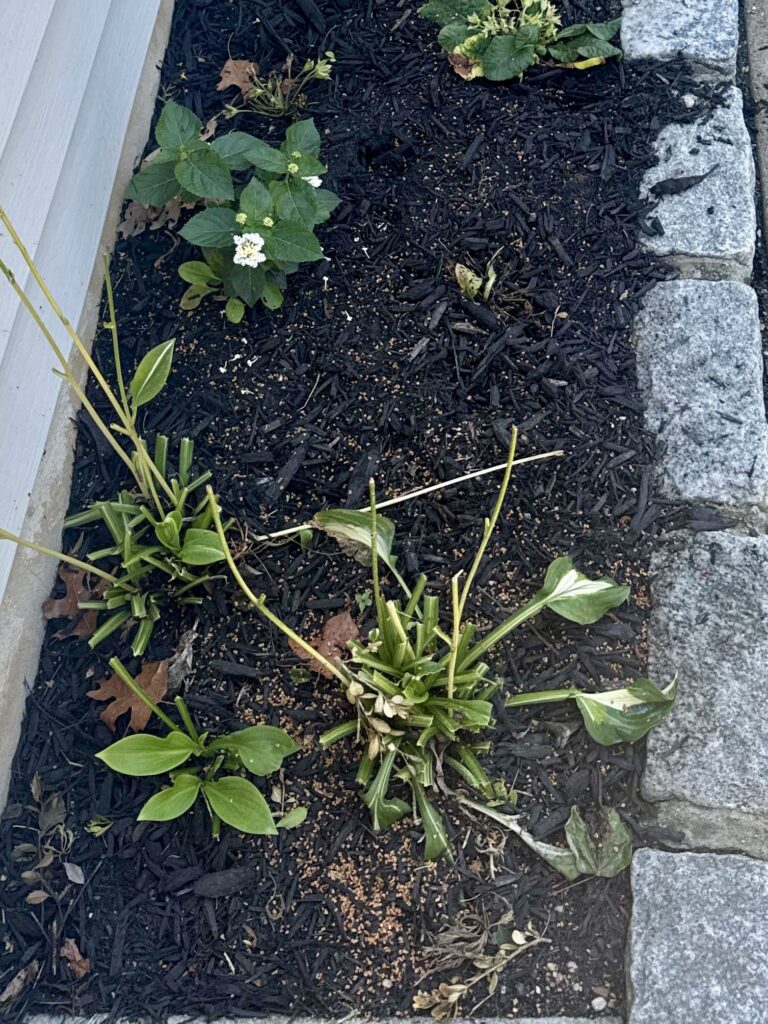
Is it Really Deer Damage?
Before choosing a solution, make sure deer are responsible.
Deer commonly leave:
- Ragged or torn plant edges
- Missing flowers and buds
- Browsed shrubs at deer height
- Bare stems with foliage removed
- Hoofprints near damaged plants
- Rubbed or shredded bark on young trees
Damage patterns can help determine whether you are dealing with feeding, buck rubbing, rabbits, insects, or another problem.
Choose the Right Protection Strategy
There is no single deer-control method that works for every property. In many landscapes, the strongest results come from combining several approaches.
No Plant Is Completely Deer-Proof
A plant that deer avoid in one New Jersey neighborhood may be heavily browsed somewhere else.
Deer preferences can change because of:
- Local deer density
- Available natural food
- Weather and drought
- Winter severity
- Newly emerging flowers or foliage
- Feeding habits learned within a neighborhood
Deer-resistant plants can reduce risk, but they work best as part of a broader landscape strategy.
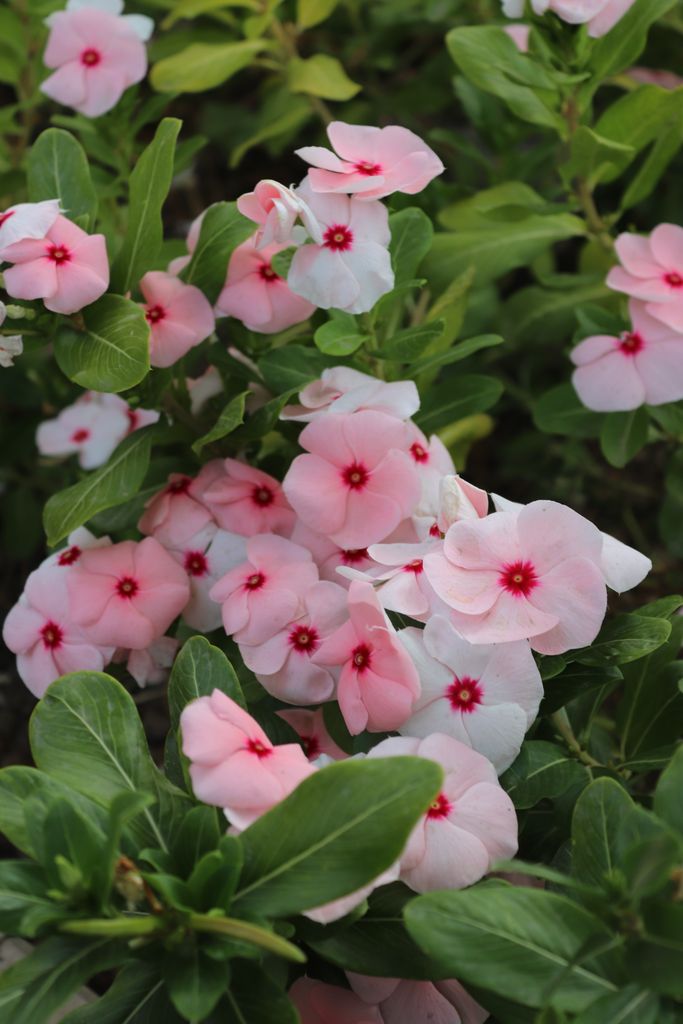
Repellents, Fencing or Both
The best option depends on what you are protecting.
Repellents are often a good fit for ornamental landscapes where homeowners want broad protection without installing a visible barrier.
Fencing is usually more practical for vegetable gardens, concentrated planting areas, and properties experiencing severe deer pressure.
Some homeowners use both—fencing vulnerable areas while treating the rest of the landscape with repellents.
What Are You Trying to Protect?

Why Deer Keep Returning
Deer remember dependable food sources and frequently follow established travel routes through neighborhoods.
Once a yard becomes part of their regular feeding pattern, occasional protection may not be enough. Consistency is important because deer may return repeatedly to test whether plants have become available again.
Understanding this behavior helps homeowners choose realistic, long-term protection rather than reacting only after damage occurs.
Featured Landscape Protection Guides
Start with these practical resources for identifying damage, selecting plants, and protecting vulnerable trees and gardens.
-
Jersey Deer Kids
Welcome to Jersey Deer Kids Discover New Jersey’s white-tailed deer through fun facts, activities, coloring pages and classroom resources. Learn how deer live, what they eat, how they communicate and how we can safely share our communities with them.
-
-
Protect Your Landscape. Respect Wildlife.
Living with deer does not mean accepting unlimited landscape damage. By understanding deer behavior and choosing the right protection strategy, New Jersey homeowners can reduce conflicts without harming wildlife.
Explore the available solutions and choose the approach that best fits your property.