
Understand New Jersey’s White-Tailed Deer
The more you understand white-tailed deer, the easier it becomes to make sense of the behavior you see in your backyard and throughout your neighborhood.
Whether you’re wondering why deer keep returning to your landscape, why bucks rub trees each fall, or when fawns are born, this guide introduces the fascinating lives of New Jersey’s most recognizable wildlife.
White-Tailed Deer Have Adapted Remarkably Well
White-tailed deer have lived in New Jersey for thousands of years. Today, they thrive in forests, farms, parks, and suburban neighborhoods because they are remarkably adaptable.
Their excellent hearing, powerful sense of smell, impressive jumping ability, and flexible diet allow them to survive almost anywhere suitable habitat exists.
Understanding these natural adaptations helps explain why deer have become such successful neighbors—and why they sometimes create challenges for homeowners.
Meet the Deer Family
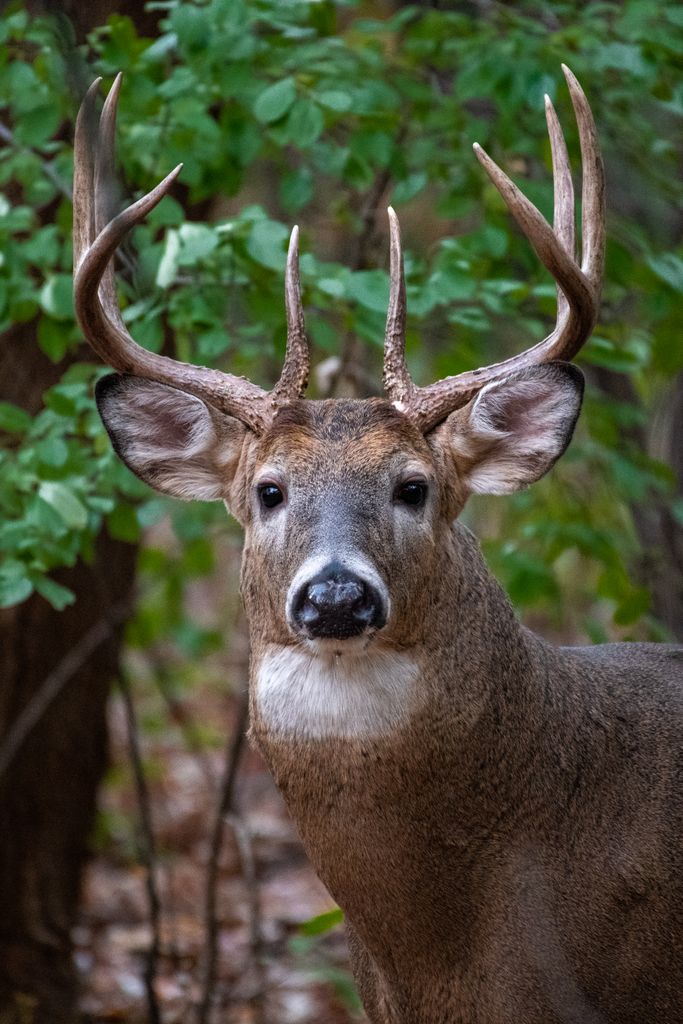
Bucks
Male deer grow and shed antlers every year and become most active during the fall breeding season.
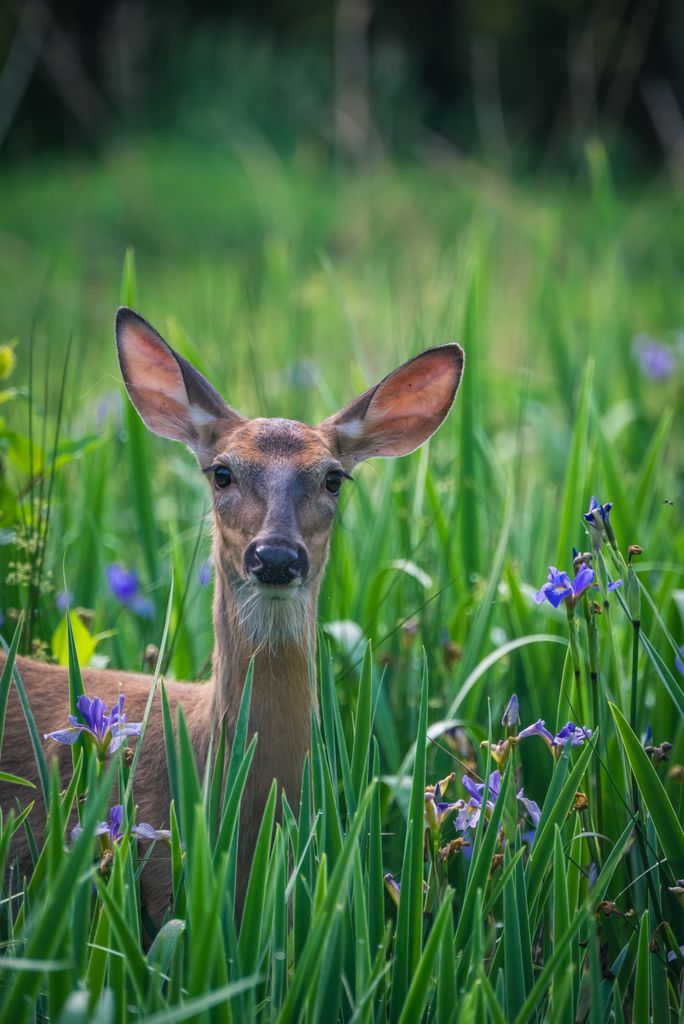
Does
Female deer raise fawns each spring and often lead small family groups throughout much of the year.

Fawns
Young deer are born with white spots that provide camouflage during their first months of life.
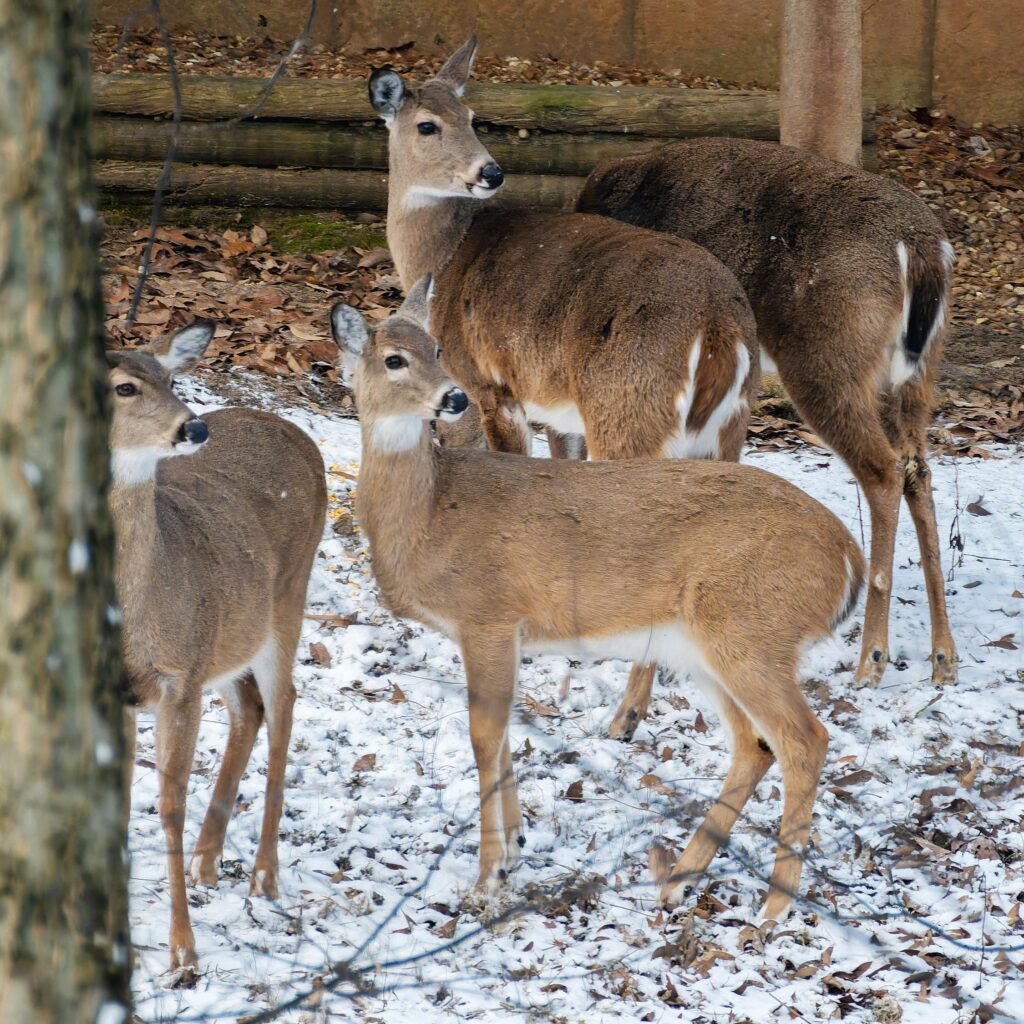
Why Deer Behave the Way They Do
Everything deer do has a purpose.
Learning about feeding habits, bedding areas, daily movement, and seasonal behavior helps explain why deer repeatedly visit certain neighborhoods while avoiding others.
Explore topics including:
- Feeding habits
- Bedding
- Daily movement
- Home ranges
- Family groups
- Seasonal behavior
A Year in the Life of a Deer
Spring
Fawns are born, antlers begin growing, and deer focus on nutritious new vegetation.
Summer
Antlers develop rapidly while does care for growing fawns.
Fall
The rut begins, bucks rub trees, and deer become increasingly active.
Winter
Food becomes scarce, deer conserve energy, and browsing pressure on landscapes often increases.
How Deer are Built to Survive
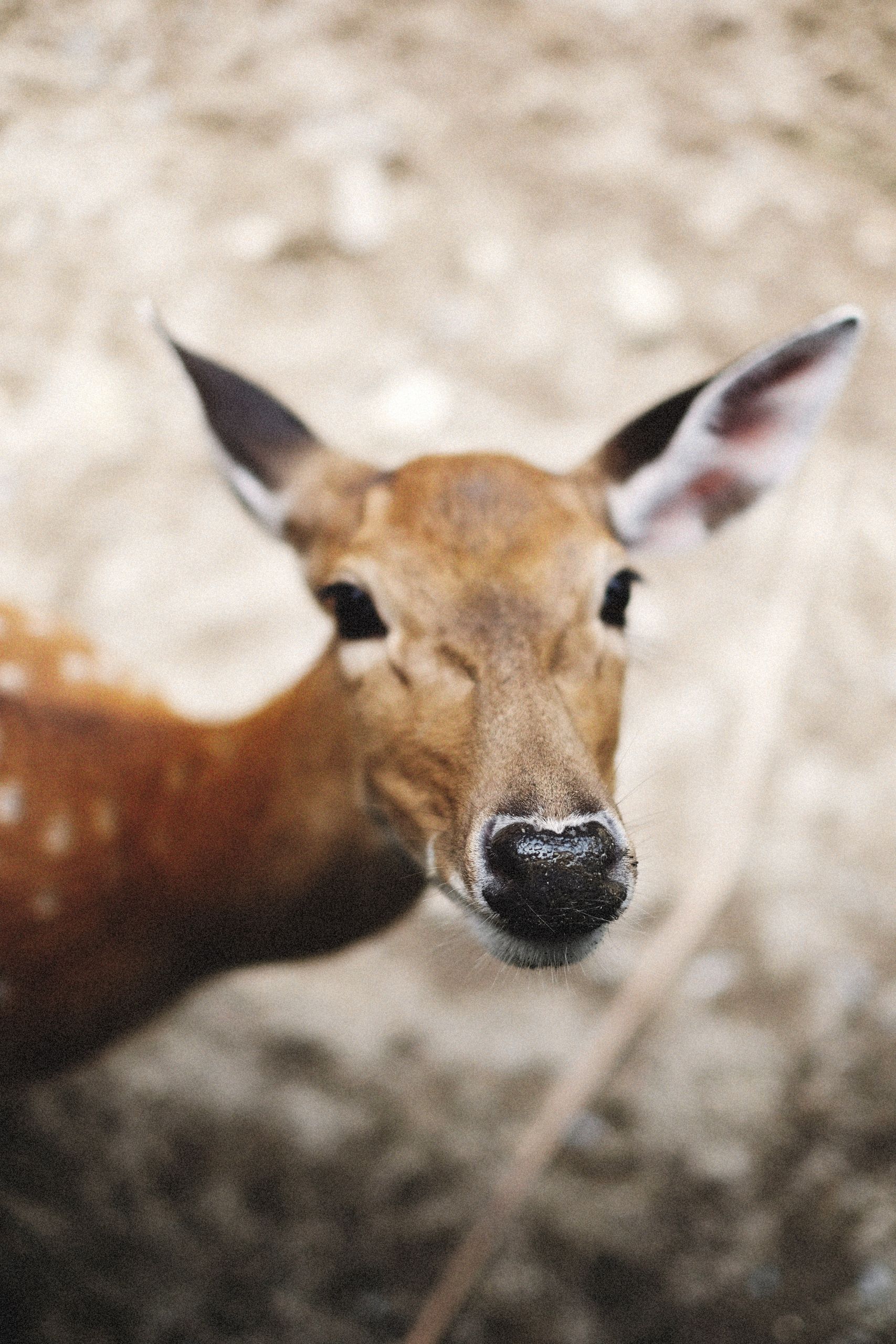
Smell
A deer’s sense of smell is one of its greatest defenses.
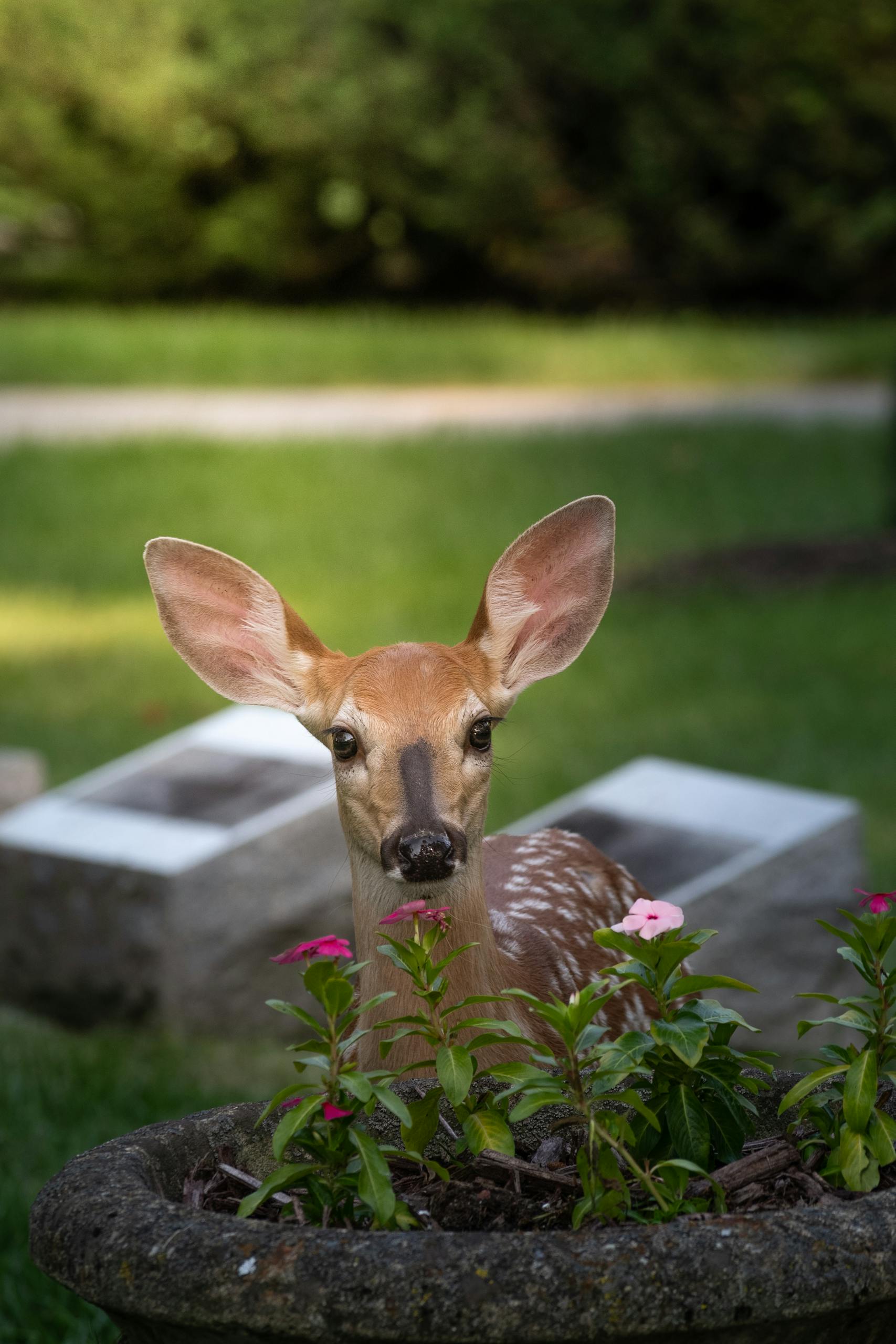
Hearing
Large ears constantly rotate to detect danger.
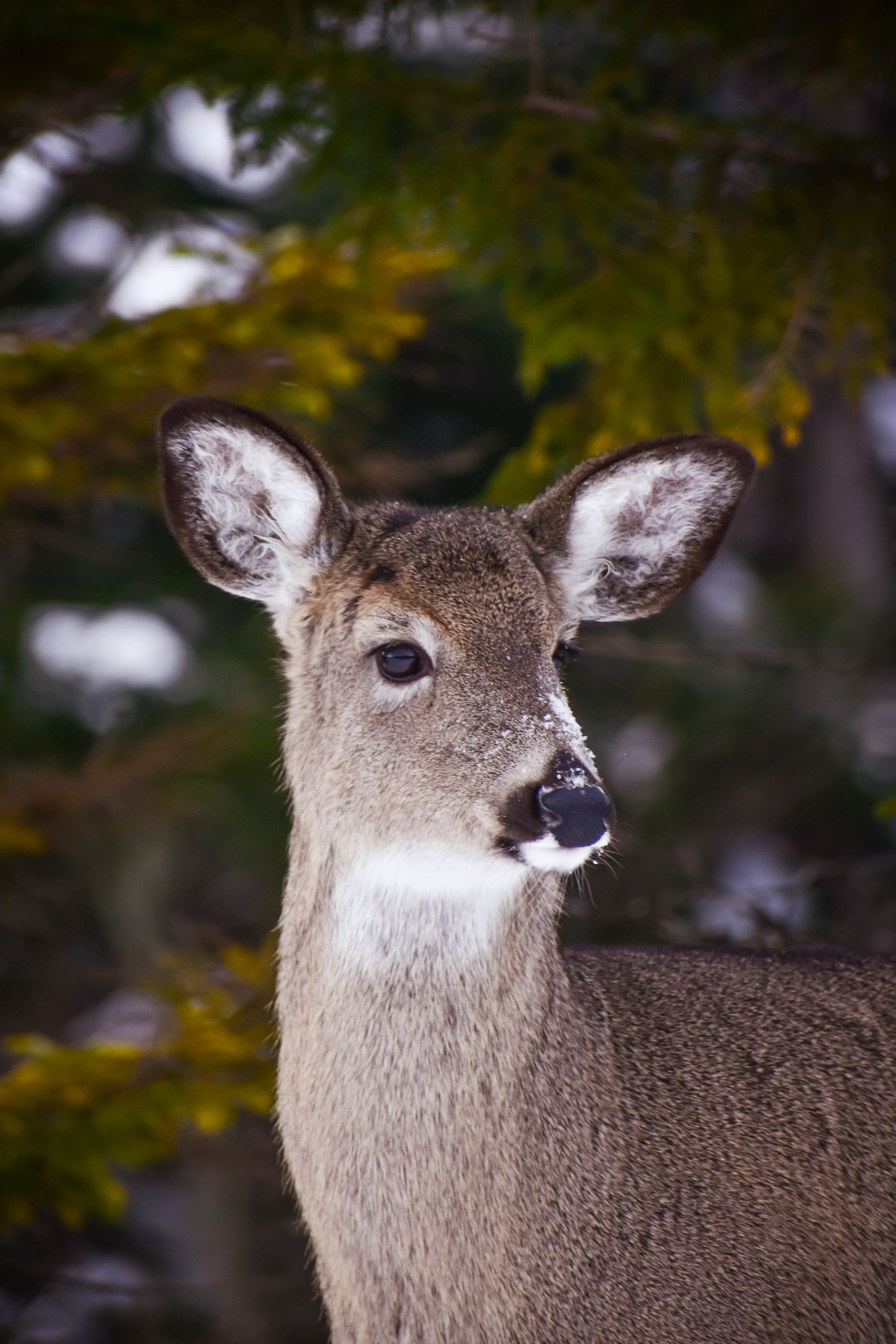
Vision
Deer are especially good at detecting movement and seeing across a wide field of view.
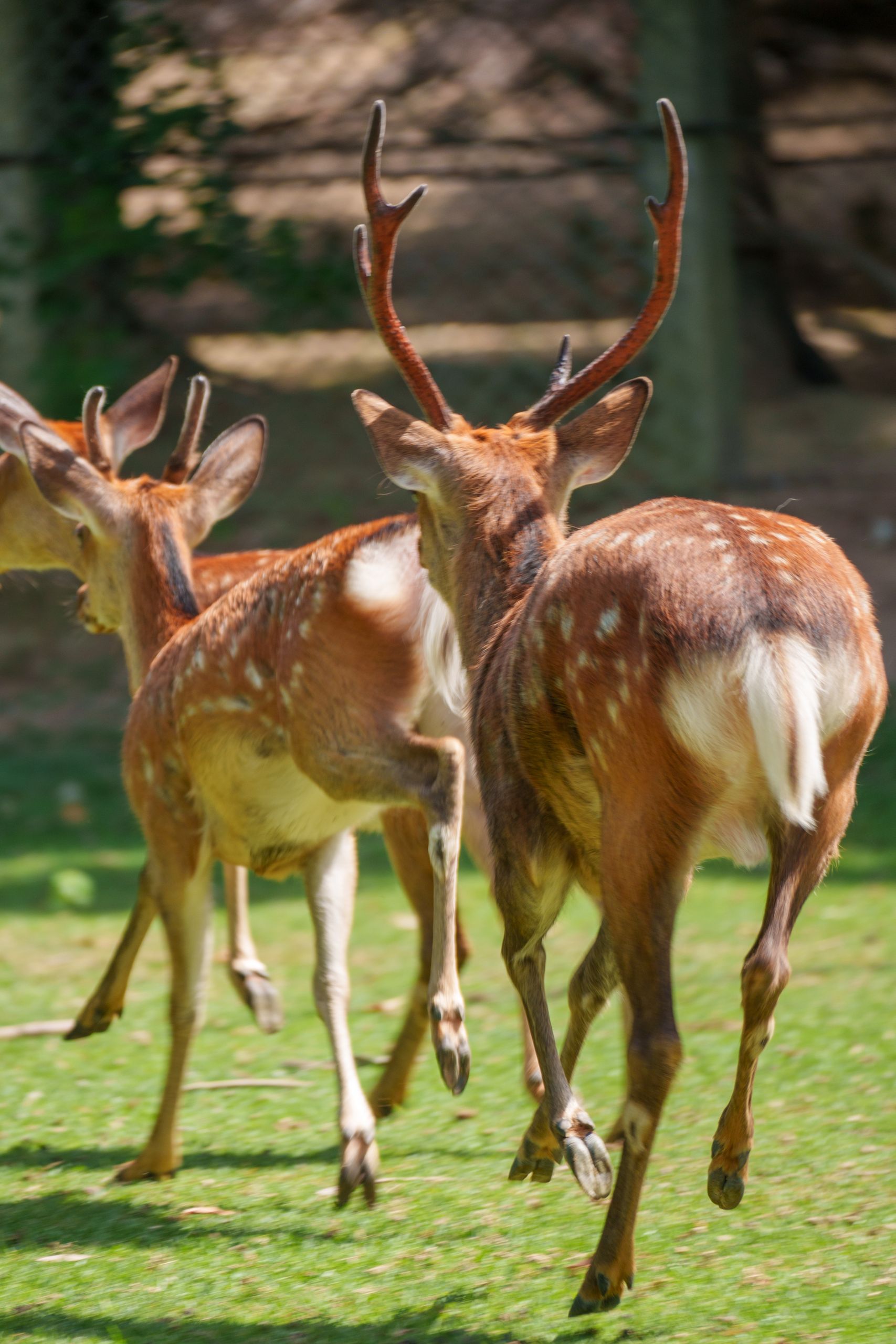
Speed
Adult deer can sprint over 30 mph.
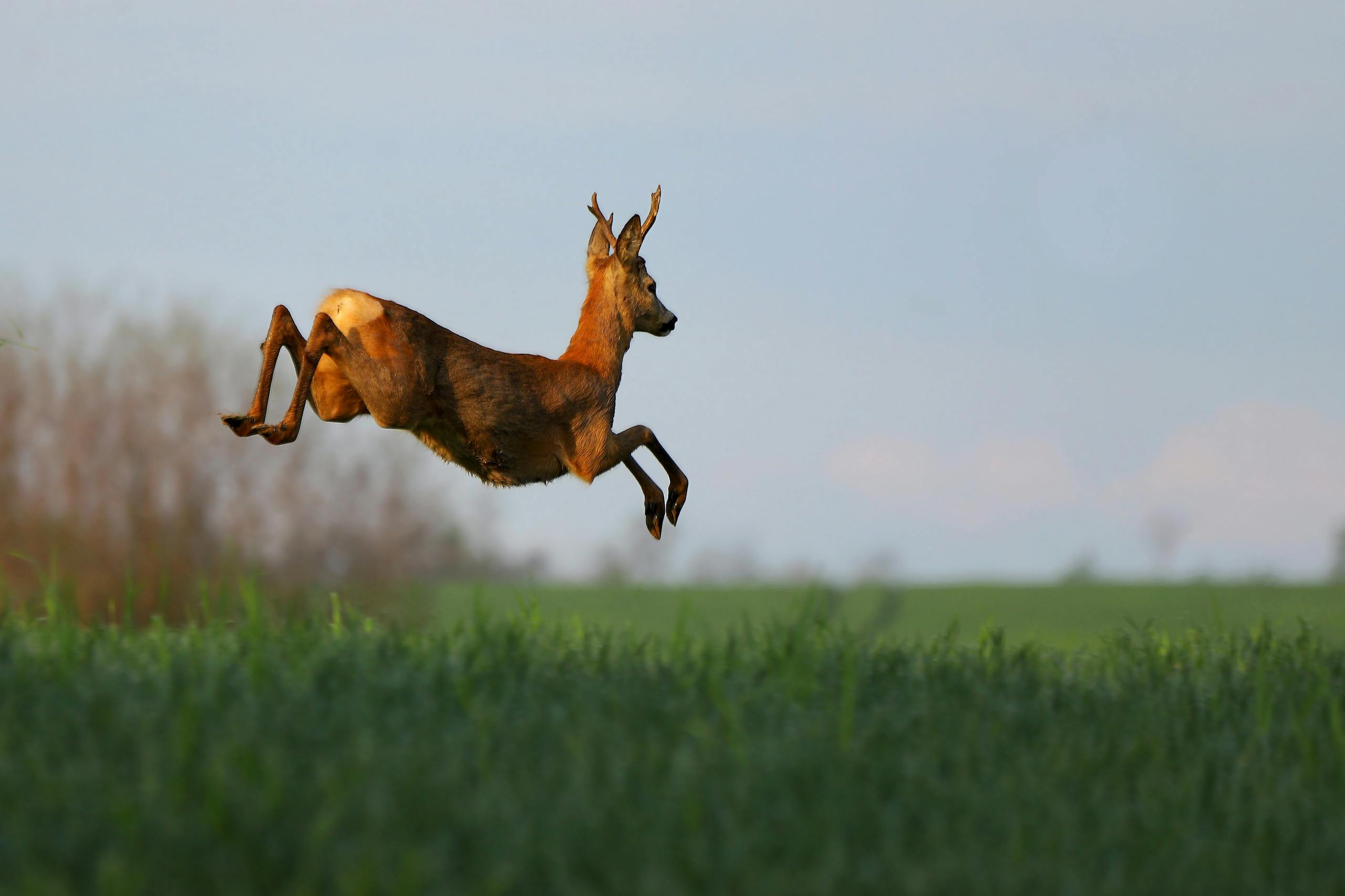
Jumping
Healthy deer can clear many backyard fences.
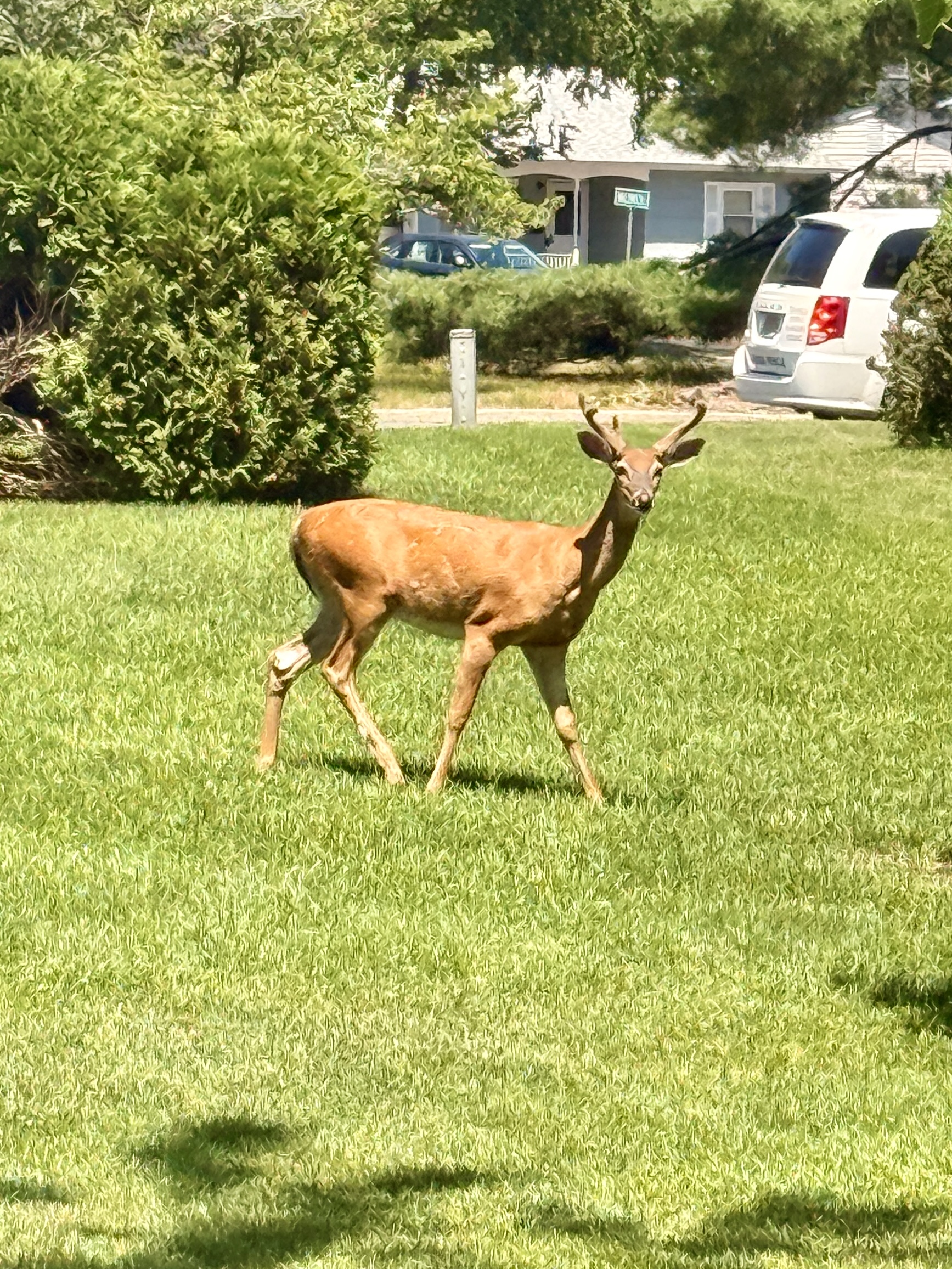
Antlers
Bucks grow an entirely new set of antlers every year.
Deer In New Jersey
Understanding deer also means understanding where they live throughout our state.
Explore:
- Population
- Habitat
- County differences
- Urban deer
- Forest deer
- Conservation
Featured Deer Guides
Continue exploring the behavior, life cycle, and unique characteristics of New Jersey’s white-tailed deer.
The More You Understand Deer…
…the easier it becomes to protect your landscape while respecting the wildlife that makes New Jersey unique.
Continue learning through our growing collection of practical guides, seasonal information, and answers to the questions New Jersey homeowners ask most often.